
How to Compare Quotes from Plastic Mold Companies

How to Secure Injection Molding Services with Chinese Suppliers

Well, the major meeting has just concluded. your new product has been approved, time is pressing, and the budget is… well, let’s just say it’s tight.. And suddenly someone—perhaps your superior or the finance head—says the fateful words that make any project manager’s heart skip a beat: “We should look at sourcing this from China.”

You nod, of course. On paper, it’s logical. Savings can be substantial. However, your brain is racing with concerns. You know the rumors, don’t you? The nightmare of defective parts, opaque communication, and delayed, off-spec shipments. It can feel like you’re being asked to walk a tightrope between landing a huge cost win for the company and steering your project straight into a ditch.

Here’s the thing, though. Sourcing China injection molding can be a calculated project. It’s no different from any structured project. And as with any project, success depends on your methodology. It’s not just about the lowest bid but selecting the best partner and overseeing every step. Forget the horror stories. Let’s go through a step-by-step guide to succeed.
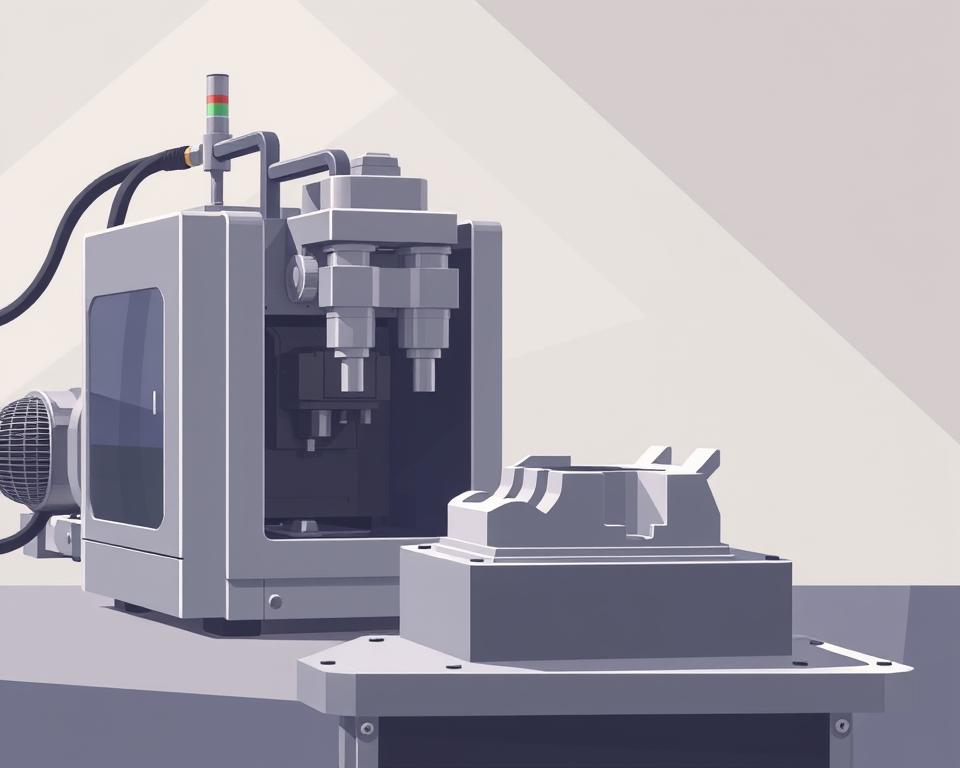
China injection molding

Step One: Do Your Homework

Before searching suppliers or opening Alibaba, nail down your requirements. Truthfully, over fifty percent of offshore sourcing issues originate in an unclear project brief. You can’t expect a factory on the other side of the world to read your mind. It’s akin to asking someone to price-build “a structure” with no details. The replies will range from absurdly low to exorbitant, none of which help.

Your RFQ should be bulletproof—clear, detailed, and unambiguous. It’s the cornerstone of your entire effort.

So, what goes in it?

First, your 3D CAD files. They cannot be skipped. Provide files in common formats (e.g., STEP, IGS) to prevent import issues. This serves as the definitive part geometry reference.

Yet 3D models don’t cover everything. Add comprehensive 2D plans. This is where you call out the stuff that a 3D model can’t communicate. Examples include tolerances (e.g., ‘25.00±0.05 mm’), material grade, surface finish requirements, and functional callouts. Any seal surfaces or critical hole sizes must be clearly labeled.

After that, material choice. Don’t label it simply “Plastic.” Nor just “ABS.” Be explicit. Call out SABIC Cycolac MG38 (black), for example. Why so detailed? Because plastic grades vary by the thousands. Naming the precise grade locks in the mechanical, thermal, and aesthetic properties you need with what is plastic mold.

They can offer alternatives, but you must provide the initial spec.

Lastly, add your business data. State your EAU. You must specify if it’s a 1K-part tool or a 1M-part production run. Tool style, cavity count, and unit cost are volume-driven.

The Great Supplier Hunt

With your RFQ perfected, now, who do you send it to? The web is vast but overwhelming. Finding suppliers is simple; finding quality ones is tough.

Begin on popular marketplaces such as Alibaba or Made-in-China. They offer breadth but not depth. Use them to build a shortlist, not the final list. Narrow your pool to about a dozen promising firms.

But don’t stop there. Perhaps hire a local sourcing specialist. Yes, they take a cut. But a reputable agent brings pre-screened factories. They are your person on the ground, navigating the language and cultural barriers. On your first run, this is like insurance. It’s schedule protection.

Another tactic: trade exhibitions. With budget permitting, Chinaplas or similar shows are invaluable. Nothing beats a face-to-face conversation. Hold samples, talk shop, and gauge professionalism firsthand. Plus, ask peers for referrals. Tap your professional contacts. Peer endorsements carry huge weight.

Shortlisting Serious Suppliers

After firing off that RFQ to a broad pool, bids begin to arrive. Some prices will undercut logic, others will shock you. Your job now is to vet these companies and narrow it down to two or three serious contenders.

What’s the method? It involves both metrics and gut feel.

First, look at their communication. Are their replies prompt and clear? Is their English good enough for complex technical discussions? But the key: do they probe your RFQ? A great supplier will review your RFQ and come back with thoughts. Example: “Should we add draft here for better ejection?” or “Your tolerance may require extended CMM time—okay?” Consider that a big green light. It proves their expertise and involvement. Anyone who simply agrees to all specs is a red flag.

Then confirm their machinery specs. Request their machine list. Review examples of parts akin to your design. Don’t pick a micro-molding shop for large components.

Finally, inspect the factory. Skipping this is a mistake. As you vet staff, you must vet suppliers. You can travel or outsource a local inspector. They’ll send a local inspector to the factory for a day. They confirm legitimacy, audit ISO 9001, inspect equipment condition, and gauge the facility. It’s a tiny cost for huge peace of mind.

From Digital File to Physical Part

You’ve selected your partner. you’ll agree on terms, typically 50% upfront for tooling and 50% upon first-sample approval. Now the real fun begins.

Your supplier’s first deliverable is a DFM analysis. DFM stands for Design for Manufacturability. It’s their professional review of your CAD. They’ll flag thick sections prone to sink, sharp edges that stress, or insufficient draft. Comprehensive DFM equals a top-tier supplier. It’s a two-way partnership. You work with their engineers to refine the design for optimal production.

Once the DFM is approved, they’ll start cutting steel to make your injection mold tool. A few weeks later, you’ll get an email that will make your heart beat a little faster: “T1 samples have shipped.” These are your initial mold shots. It’s your first real test.

Expect T1s to need tweaks. It’s par for the course. There will be tiny imperfections, a dimension that’s slightly out of spec, or a blemish on the surface. You supply feedback, they tweak the tool, and T2 plastic mold in China samples follow. It could require several iterations. Build buffer time for sample iterations.

Eventually, you will receive a part that is perfect. It meets every dimension, the finish is flawless, and it functions exactly as intended. This is now the benchmark sample. You ratify it, and it becomes the quality yardstick for production.

Final Steps to Mass Production

Receiving the golden sample seems like victory, but you’re not done. Now you’re entering the mass production phase. How can you keep part #10,000 matching your golden sample?

Put a strong QC process in place. Often, you hire a pre-shipment inspection service. Use a third-party inspector again. They’ll randomly select parts, compare them to specs and golden sample, and deliver a detailed report. You receive a full report with images and measurements. Only after you approve this report do you authorize the shipment and send the final payment. This simple step prevents you from receiving a container full of scrap metal.

Don’t forget shipping details. Understand the shipping terms, or Incoterms. Is your price FOB (Free On Board), meaning the supplier’s responsibility ends when the goods are loaded onto the ship in China? Or is it EXW (Ex Works), where you are responsible for picking it up from their factory door? These choices hugely affect landed cost.

Sourcing from China is a marathon, not a sprint. It’s about building a relationship with your supplier. View them as allies, not vendors. Transparent dialogue, respect, and process discipline win. Certainly, it’s complex. But with this framework, it’s one you can absolutely nail, delivering the cost savings everyone wants without sacrificing your sanity—or the quality of your product. You’re set to succeed.

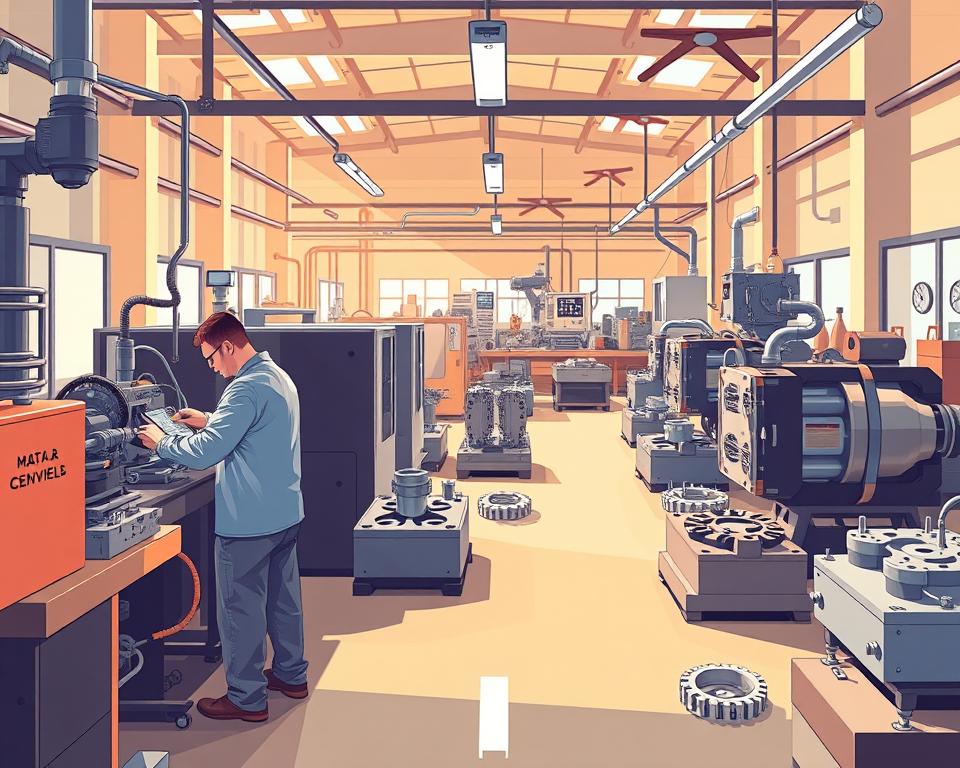
FTTH Cable Production Line Waste Management

Next-Gen Home Fiber Optical Cable Production Line Apparatus Systems

Have you ever wondered the impact of high-speed internet cable demand on FTTH cable production systems? As our need for high-speed, reliable connectivity rising, industry leaders like HONG KAI and Nextrom are revolutionizing production. They’re introducing next-generation cable equipment to boost production efficiency. Not only does this shift slash operational costs but also improves high-speed internet cable quality, satisfying today’s market standards.

Here, we’ll examine the pioneering equipment and methods redefining Fiber cable sheathing line manufacturing. Learn about how these innovations are ready to revolutionize the fiber optic sector.

Highlight Reel

  • Understanding the importance of FTTH cable production line equipment in high-speed internet access.
  • Exploring the significant role of companies like HONG KAI and Nextrom in driving technology innovation.
  • Learning the benefits of adopting next-gen cable equipment in manufacturing processes.
  • Identifying how improved cable quality is essential for meeting consumer demands.
  • Appreciating the importance of production efficiency in a competitive market.

Grasping FTTH Cable Production Line Technology

The manufacturing of fiber optic cables, mainly for FTTH technology, involves a intricate blend of advanced tools and precise methods. Contemporary production of these cables includes various components that boost efficiency and quality. Understanding these elements illuminates the progress toward more advanced production systems.

Core Components of Contemporary Fiber Optic Cable Manufacturing

Today’s fiber optic cable production includes:

  • Extrusion systems for coating and insulating fibers
  • Fiber tension control mechanisms to maintain optimal fiber quality
  • Automated operations that streamline production processes

These elements work together to create a reliable and long-lasting product. For instance, advanced temperature control systems guarantee consistent conditions. Automated adjustments also minimize human error.

Evolution from Traditional to Advanced Production Systems

The shift from legacy to automated systems marks a major leap in technology and methods. Older, labor-intensive methods have been superseded by automated systems. This change has led to:

  1. Increased productivity and reduced production times
  2. Reduced waste due to precise material handling
  3. Better product quality thanks to stricter quality control

Key Technologies Driving Industry Innovation

Several key technologies are propelling innovation in the fiber optic field. These include:

  • Precision temperature control that regulates and maintains optimal production conditions
  • Automatic settings that adapt to varying production requirements
  • Advanced monitoring systems providing real-time feedback on production quality

Thanks to these technologies, manufacturers can ensure their fiber optic products meet the high standards required for FTTH applications.

Essential Equipment for Fiber Secondary Coating Line Operations

In the world of fiber optic cable manufacturing, the fiber secondary coating line is key. It safeguards fiber optics through high-speed coating processes. As technology advancing, having the latest equipment is critical for improved production and reliability.

High-Speed Secondary Coating Processes

Advances in secondary coating processes have significantly improved manufacturing efficiency. Modern systems can now handle increased volumes, addressing rising demand. They apply coatings that boost durability and performance, resulting in top-tier fiber cable products.

Single and Dual Layer Coating Applications

It’s important to know between single and dual layer coatings in the fiber secondary coating line. Single-layer coatings provide basic protection, while dual-layer coatings deliver extra resistance to environmental stressors. Both methods employ high-speed processes for even coating application, guaranteeing fiber optics last longer in various conditions.

Temperature Control and Curing Systems

Temperature control systems are indispensable for curing coatings during production. They ensure the right conditions for adhesive substances in the fiber secondary coating line. Proper temperature management allows for perfect curing times and conditions, resulting in enhanced quality fibers ready for real-world use.

Fiber Draw Tower and Optical Preform Processing

The fiber draw tower is crucial in optical preform processing and cable manufacturing. It draws the preform into thin fiber strands, ensuring high-quality fibers with exceptional clarity and strength. The tower’s ambiance is carefully controlled to achieve precise dimensions and physical properties.

Optical preforms are the foundation of this process, shaping the fiber’s final characteristics. The preform’s quality affects light transmission and durability. Advances in preform manufacturing have improved Fibers in metal tube manufacturing efficiency.

Through innovative engineering and technology, the fiber draw tower and preform processing continue to evolve, meeting the growing demand for high-performance fiber optic cables. Quality at the preform level yields better fiber optics, enhancing telecommunications and networking services.

Advanced SZ Stranding Line Technology for Cable Assembly

The SZ stranding line technology marks a major advancement in cable assembly, particularly for fiber optic cables. It provides precise stranding, critical for crafting top-tier cables that adhere to strict standards.

Precision Stranding Equipment Features

The core of the SZ stranding line is its precision stranding equipment, which enhances cable durability and reliability. Its notable attributes include:

  • Advanced control systems that fine-tune settings in real-time for peak performance.
  • High-speed operation that improves production efficiency.
  • Modular design for customization based on production needs.

Automated Tension Control Systems

Automated tension control systems are critical for maintaining consistency in stranding. They:

  • Ensure uniform fiber tension and strength distribution along the cable.
  • Reduce defect rates, cutting down on waste and production costs.
  • Enable seamless integration of diverse materials, enhancing flexibility and performance.

Integration with Fiber Cable Sheathing Line

Integrating the SZ stranding line with the fiber cable sheathing line enhances production efficiency. This synergy allows for:

  • Streamlined workflows by minimizing manual intervention.
  • Consistent quality throughout the manufacturing process.
  • Higher throughput, addressing the growing need for superior cables.

Fiber Coloring Machine and Identification Systems

The fiber coloring machine is essential in telecom fiber cable production. It guarantees each cable is identifiable and meets color coding standards. Advanced technology enables quick and precise color application, boosting manufacturing efficiency.

High-Speed Coloring Technology

State-of-the-art machines use high-speed technology for consistent and fast color application. This reduces production time without compromising quality. The machines’ precision secures accurate color application, aiding adherence to strict color coding standards, crucial for smooth installation and maintenance.

Color Coding Standards for Telecom Fiber Cables

Color coding standards guide manufacturers and technicians in the telecom industry. They organize fibers for easy identification, minimizing installation and troubleshooting errors. Each color represents a specific function or fiber type, ensuring clarity in complex networks.

Adhering to these standards, supported by fiber coloring machines, enhances safety and efficiency—a cornerstone of telecom operations.

Quality Control in Fiber Identification

Quality control is critical in fiber identification systems to meet market standards. Regular inspections during production verify color accuracy and coding adherence. Advanced traceability systems trace fibers, improving product reliability.

This methodical quality control approach produces superior telecom fiber cable performance, delighting both manufacturers and end users.

Specialized Solutions for Fibers in Metal Tube Production

The production of fibers in metal tubes is a specialized domain in modern cable solutions. This method boosts durability and environmental resistance of optical cables, making them ideal for harsh conditions. Specialized techniques encase fibers in metal, protecting them from damage and extreme environments.

In outdoor settings, where cables face tough elements, these solutions demonstrate their worth. Manufacturers have developed advanced methods to strengthen and boost cable reliability, addressing the growing demand for durable communication systems. Precision Fiber draw tower engineering and high-quality materials are integral in this process.

Employing specialized manufacturing methods ensures cables remain intact and reliable across industries. Companies emphasize innovative designs and robust materials to create top-tier optical cables for diverse environments and applications.

Fiber Ribbon Line and Compact Fiber Unit Manufacturing

The manufacture of fiber ribbons and compact fiber units is vital for modern telecommunication networks. This section highlights the latest equipment and designs for these essential components. Innovators aim to meet the rising demand for dense cable solutions in data centers.

Advanced Fiber Ribbon Line Equipment

Cutting-edge fiber ribbon line equipment enables efficient production of high-quality optical fibers. It integrates the latest technology to produce compact fiber units with outstanding performance, minimizing waste and improving throughput to suit various needs.

Compact Fiber Unit Design and Production

Compact fiber units are designed for space efficiency without sacrificing performance. Innovative methods form these units for straightforward installation in diverse settings. These units are key for data centers, addressing the need for dense cables that save space and accelerate data transfer.

High-Density Cable Solutions for Data Centers

High-density cable solutions are essential for modern data centers, allowing faster data transfer and greater bandwidth. These solutions often incorporate fiber ribbons, produced through advanced processes. As data usage surges, these cables support robust infrastructure to meet today’s digital demands.

Optimizing High-Speed Internet Cables Production

Efficient production of high-speed internet cables is fundamental for today’s networks. The quality of FTTH cabling systems drives reliable connections. Advanced manufacturing aims to improve performance while maintaining high standards.

Cabling Systems for FTTH Applications

FTTH cabling systems include designs that improve signal transmission and cable longevity. They utilize premium materials and cutting-edge engineering to deliver fast, dependable internet for users.

Quality Assurance in Fiber Pulling Process

The fiber pulling process is pivotal in cable production, requiring precise attention. Quality checks avoid damage and preserve signal integrity. Integrated monitoring systems guarantee cable reliability and facilitate seamless installation.

Meeting Industry Standards for Optical Fiber Drawing

Adhering to industry standards in optical fiber drawing is vital for manufacturers. It guarantees production safety and cable reliability. Improving techniques and materials helps comply with these standards, resulting in superior cabling systems.

In Summary

The evolution of FTTH cable production lines has revolutionized telecommunications, allowing manufacturers to produce high-quality, reliable cables for modern internet demands. As technology progresses, adopting advanced manufacturing solutions is essential to improve production efficiency while upholding top standards.

With the ever-increasing need for robust infrastructure, companies must embrace innovative methods in their FTTH cable production. These advanced approaches improve cable reliability and support sustainable manufacturing in the fiber optic sector.

To stay ahead in the fiber optic cable industry, embracing these advanced solutions is critical. The future of cable production hinges on such innovations, ensuring telecommunications infrastructure can meet the growing global internet demands.

Related: Fiber Ribbon Line: Advanced Manufacturing Solutions

Building a Sustainable Cosmetic Bag Manufacturing Supply Chain

Cosmetic Bag Manufacturer: Custom Bags for Beauty

The global cosmetic bag market is set to hit $5 billion by 2025. This surge in demand shows a clear preference for stylish, functional bags for beauty products. Being a premier cosmetic bag maker, we strive to deliver unique designs that delight and serve functional purposes. We work hand-in-hand with brands to create high-quality, personalized custom cosmetic bag that perfectly reflect their brand’s essence

Core Lessons

  • Market forecasts show $5 billion in cosmetic bag sales by 2025
  • Custom bags for beauty are tailored to meet specific brand and consumer needs
  • Custom beauty bag makers emphasize craftsmanship and aesthetics
  • Working with producers allows brands to define their distinct persona
  • Functionality and aesthetics are key components of successful cosmetic bags

What a Cosmetic Bag Manufacturer Does

A cosmetic bag maker plays a vital role in beauty markets. They act as a bridge between product creators and consumers. They craft bespoke bags tailored to brand requirements. They ensure each bag aligns with the brand’s aesthetics and fulfills functional requirements.

In today’s competitive market, a well-designed cosmetic bag is vital. It serves as a container for beauty products and a marketing tool to draw in customers. A premium bag enhances product allure and solidifies brand image.

cosmetic bag manufacturer

Knowing industry hurdles helps manufacturers innovate effectively. Brands can choose from various customization options, including materials, designs, and sizes. Selecting the right manufacturer is critical for a brand’s success in a fast-paced market.

Custom Bag Varieties

Cosmetic bag manufacturers offer a wide variety of custom bags to suit different needs. Custom PVC cosmetic bags stand out for their durability and water resistance. They are perfect for storing liquids and beauty products. And they clean easily for added convenience.

Custom velvet cosmetic bags, on the other hand, bring a touch of elegance and luxury. Velvet’s plush feel lends refined style. It attracts customers who appreciate premium touches and wish to improve brand perception.

Understanding bag options aids brands in selecting wisely. A well-chosen bag elevates brand presence and satisfies user tastes.

Benefits of Choosing Custom Cosmetic Bags

Tailored beauty bags provide major brand benefits. They boost brand visibility by prominently displaying a logo. Thus, they act as effective promotional items remembered by users.

Personalized beauty bag manufacturers provide designs that meet various consumer tastes. This customization helps brands stand out in a crowded market. It encourages customers to choose products that reflect their personal style and needs.

Investing in custom bags can also increase customer loyalty. When customers receive a high-quality, stylish cosmetic bag, it creates a bond with the brand. Such rapport drives repeat business and referrals.

Working with a branded cosmetic case producer simplifies the creative process and ensures a professional finish. It enables brands to tell their narrative, enhancing marketing and audience engagement.

Selecting Materials for Custom Bags

Choosing the right materials for custom cosmetic bags is key to their appeal and functionality. Manufacturers provide a range of material options to meet various consumer needs and market trends. PVC bags stand out for toughness and waterproof qualities, perfect for everyday use.

Velvet bags add a luxurious vibe, drawing high-end customers. Brands covet velvet for its rich texture and upscale appearance. It’s critical for brands to grasp these material traits to match their packaging with their branding goals.

Knowing PVC’s utility and velvet’s elegance guides brands to optimal decisions. Choosing wisely improves customer satisfaction and brand allegiance.

Manufacturing Capability

A leading cosmetic bag manufacturer has an impressive production capacity. They often produce over 90,000 units monthly. This high output allows brands to adjust their orders according to market changes and seasonal trends. Quality remains uncompromised.

They run factories spanning over 25 000 m². Plus, more than 200 trained staff. This structure guarantees fast production and premium bags adhering to rigorous criteria.

Being able to produce in such large quantities makes this manufacturer a reliable partner. They help businesses grow their product lines while keeping customer satisfaction high.

Custom OEM and ODM Solutions

OEM and ODM are vital for brands seeking distinctive beauty bags. These services allow for close collaboration with manufacturers, ensuring specific needs and designs are met. OEM services help brands create products that reflect their unique identity while maintaining quality. This partnership encourages innovation and creativity, vital for market differentiation.

ODM provides end-to-end design services aligned with trends and market needs. Brands gain access to expert design teams who grasp market dynamics. They can turn ideas into real products, improving product offerings and streamlining development. Resulting in rapid launch and cost-effectiveness.

Choosing OEM and ODM services is a strategic move for brands aiming to strengthen their beauty market presence. Using such bespoke services, brands create unique bags resonating with consumers.

Service Type Description Benefits
OEM Services Customization of existing designs to fit brand requirements Exclusive branding opportunities, enhanced product quality
ODM Services End-to-end design and production Access to design expertise, faster time-to-market
Tailored Solutions Custom strategies aligned with brand identity Unique product differentiation, strong market placement

Quality Assurance in Bag Manufacturing

QA is crucial in PVC cosmetic bag. It guarantees all bags match or exceed industry benchmarks. Manufacturers conduct thorough testing to check durability, material compliance, and aesthetic quality.

Brands should pick pouch suppliers with robust QA measures. Early defect detection ensures a final product upholding brand standards. Following production norms is essential to show reliability.

Strong QA builds supplier-manufacturer-client trust. This dedication to excellence means customers get stylish, practical, and durable products.

Rapid Trend Adoption in Bag Production

The cosmetic bag manufacturing industry has seen a significant shift with the emergence of fast fashion trends. Brands now seek manufacturers who can quickly move from idea to production. Such speed requirements shape bag design and manufacturing.

Adaptability is vital for producers to match consumer shifts. Trends can shift rapidly, making it critical for manufacturers to stay ahead. Maintaining a diverse range of styles and designs is vital. It lets brands cater to a wide market seeking fresh beauty gear.

Top bag producers must stay agile. Being agile means satisfying demand and outperforming rivals. Agility is key to thriving in fast-fashion contexts.

Strategic Partnerships with Renowned Brands

Working with big-name brands elevates a bag maker’s market position. These partnerships showcase the manufacturer’s capabilities while linking with trusted names. This synergy allows for the creation of unique products that meet current market needs.

Partnering with renowned brands boosts exposure and market knowledge. Such interaction fosters innovation, compelling makers to evolve. By capitalizing on these branding chances, companies can emerge as leaders in the cosmetic bag industry.

Exploring the Custom Makeup Bag Factory

Visiting a custom makeup bag factory offers a unique inside look at the detailed manufacturing process. Each phase, from initial design to final assembly, is critical for producing high-quality items. Brands must grasp factory operations when seeking manufacturing partners.

Inside, you witness each stage forming the final bag. Design and engineering teams collaborate on creative, functional concepts. Once prototypes are approved, cutting, stitching, and QA begin.

Efficiency in production is key to meeting market demands. Manufacturers use advanced technologies and skilled labor to optimize workflows. The focus on quality control ensures every product meets standards before it reaches consumers.

Understanding the manufacturing process helps brands make better choices when picking a partner for their cosmetic bag needs. Whether it’s the range of materials or the craftsmanship expertise, exploring a custom makeup bag factory shows what distinguishes top manufacturers.

How to Choose the Right Cosmetic Pouch Supplier

Choosing the right cosmetic pouch supplier is critical for any beauty brand. A thorough evaluation should consider several key factors for a successful partnership. Start by evaluating their output capability. Ensure they handle your volumes and deadlines.

Material options are also vital in your decision. Verify they employ premium materials meeting your specs. High-quality materials not only improve product appeal but also boost customer satisfaction and loyalty.

Looking at past velvet cosmetic bag manufacturer samples can reveal a supplier’s craftsmanship and reliability. Reviews and feedback from other clients also shed light on their reputation. Communication quality impacts collaboration; assess their responsiveness on design and schedule.

Ultimately, a comprehensive review of capacity, quality, and communication ensures the right supplier match.

Key Traits of Top Case Producers

Selecting a branded case maker demands careful thought. Look for manufacturers with a strong track record and glowing reviews from past clients. This reveals their true competencies. Durability and excellence are non-negotiable.

Assessing design adaptability is crucial. Unique designs can make your products stand out in a crowded market. Hence, early branding choices matter greatly. A reliable partnership with a quality manufacturer can lead to outstanding products, boosting your brand’s visibility and customer loyalty.

Final Thoughts

Selecting an ideal bag maker is essential for brands seeking to enhance promotion and style. The wide range of materials and production capacities means brands have many factors to weigh. These decisions greatly affect their overall brand image.

Custom bags are more than just containers for makeup; they reflect a brand’s identity and values. By picking a manufacturer that matches their vision, beauty brands can create products that deeply connect with their audience. This connection between product and brand is critical for building loyalty and increasing sales.

The choice of a cosmetic bag manufacturer is a strategic move, not just a practical one. By prioritizing excellence and creativity, brands can strengthen their image. And offer goods that leave enduring impressions.

Common Questions

What bag varieties do makers provide?

Producers supply many bag types: PVC, velvet, and organizer styles. Each type caters to different needs, from practicality to luxury appeal.

Why invest in bespoke beauty bags?

Bespoke bags raise brand awareness and set you apart. They align with customer tastes, acting as both container and promotion.

Is bespoke design possible with the maker?

Absolutely—OEM/ODM services are available. It lets brands collaborate to produce one-of-a-kind styles reflecting their identity.

Which materials can be used for bags?

Manufacturers offer various materials, including durable PVC, elegant velvet, and different fabrics. Each appeals to unique segments and user tastes.

How to pick a cosmetic pouch partner?

Evaluate suppliers based on production capacity, design capabilities, and quality assurance. A strong portfolio and positive testimonials are key to ensuring a reliable partnership.

What output volume do premier bag producers achieve?

Top producers exceed 90 000 bags per month. This allows brands to scale orders effectively based on demand and seasonal trends.

Why is quality assurance important in cosmetic bag manufacturing?

QA guarantees bags adhere to durability and style norms. Reliable suppliers conduct thorough testing to prevent defects. Thus, you receive bags that uphold brand excellence.

How do trends influence bag manufacturing?

The rise of fast fashion requires manufacturers to be agile. They must adapt quickly to rapid design changes and meet evolving consumer demands.

What should I look for in a branded cosmetic case producer?

Consider portfolios, design range, and QA when picking case makers. Their ability to communicate and collaborate with your brand is also essential.

CNC Lathe Machining Dallas: Managing Surface Roughness

Quality Injection Mold Solutions: Dallas Specialists

Did you know the global injection molding market is set to hit over $300 billion by 2026? Such expansion highlights the importance of injection molding in today’s manufacturing. Dallas is at the forefront, leading with innovative solutions and top-quality parts. Count on Lowrance Machine, famed for expert craftsmanship and state-of-the-art tech.

Boasting extensive experience, Lowrance Machine delivers Dallas enterprises top-tier custom fastener manufacturer Dallas. They serve a wide range of industries, from aerospace and automotive to consumer goods. Their dedication to excellence ensures every project meets high standards, pushing the limits of what’s possible in plastic injection molding in Dallas.

Core Insights

  • A booming $300 billion-plus market spotlights injection molding’s manufacturing role.
  • Lowrance Machine offers a range of specialized injection mold services in Dallas.
  • Proven expertise and modern tech drive their high-quality part production.
  • They cater to sectors from aerospace to automotive and beyond.
  • Rigorous quality standards guarantee customer confidence.

B0704873 2E0E 4B5E Ae72 B71Ed5561622

Overview of Injection Molding Offerings

Injection molding is a key manufacturing method for creating large quantities of precise parts. In Dallas, numerous injection molding services cater to various industries. Bespoke Dallas injection molding delivers parts designed for unique applications.

Overmolding and insert molding have transformed the field. These methods combine multiple materials or components in one step. The result is greater functionality and versatility.

Cost-effectiveness is a key advantage of Dallas molding services. It supports rapid, high-volume part production. This keeps costs low and processes efficient. The process also allows for the creation of unique shapes and dimensions.

Choosing the right materials is critical for the performance of injection-molded products. Thermoplastics, known for their strength and durability, are commonly used in custom injection molding Dallas. Materials determine the final product’s function and quality, so choose wisely.

Mold Design and Development in Dallas

Effective mold design underpins high quality and lean production. Dallas designers hone in on material selection, draft angles, and wall thickness. They ensure molds withstand heavy cycles and deliver top parts.

Precision cavity configuration and strict dimension control define Dallas mold design. They use cutting-edge CAD systems to prevent production issues. Modern CAD enables high-performance molds with less scrap.

Choosing veteran mold makers elevates product standards. Veteran designers apply process expertise to optimize molds. It cuts costs, accelerates lead times, and sharpens market position.

  1. Selecting Mold Materials: It shapes part robustness and function.
  2. Draft Angles: Critical for smooth part ejection.
  3. Thickness Control: Determines part rigidity and mass.
  4. Multi-Cavity Design: Controls molding flow and cooling patterns.

Talented teams plus tech power mold breakthroughs in Dallas. It lets producers address evolving industry demands.

Injection Molds Dallas: Expert Capabilities and Services

In Dallas, Lowrance Machine is renowned for its advanced capabilities. They serve multiple sectors with custom services. Their 5-axis machining capability enhances precision and throughput. This technology allows engineers to create complex designs and parts with ease.

They’re key to manufacturing tailored fasteners for diverse applications. The company focuses on design, build, and maintenance, ensuring every mold meets high standards. Their focus on quality assures consistent performance and tailored solutions.

They offer secondary services alongside molding for full solutions. These include assembly and part customization, delivering a complete solution for clients. By being versatile in their injection mold capabilities, the company serves a wide range of industries. Clients trust their tailored molding services.

Offering Description
5 Axis Machining Advanced technology enhances precision and complexity in manufactured components.
Injection Mold Production Complete mold creation and service for diverse uses.
Custom Fasteners Creation of tailored fasteners for specific industrial needs.
Secondary Operations Post-production assembly and custom modifications.

Industry Leaders in Dallas Injection Molding

Dallas is home to a plethora of companies that lead in injection molding services. They’re celebrated for high standards and inventive solutions. Lowrance Machine stands out among them, serving sectors like medical devices, automotive components, and consumer goods. Their influence on the manufacturing sector is profound.

As a leader in industrial machining services Dallas, they excel. They manufacture accurate components to tight tolerances. Their dedication to advanced technology and eco-friendly materials showcases their commitment to sustainability.

A premier custom fastener manufacturer Dallas commands industry respect. This company is celebrated for its ability to create specialized fasteners that meet client-specific needs. Their rigorous testing and novel designs make them indispensable.

Many Dallas companies specialize in rubber molds Dallas. Using modern methods, they craft long-lasting, flexible molds. These molds are essential for creating high-quality rubber parts across different applications. Their expertise in molding technologies gives local manufacturers a competitive edge.

The competitive landscape in Dallas is dynamic, with companies focusing on precision, quality, and innovation in injection molding. They enhance production capacity and address shifting industry needs.

To Summarize

Injection molding services are vital for many industries, delivering the quality and efficiency needed for manufacturing. In Dallas, Lowrance Machine shines as a leading injection molding company. They offer custom solutions that meet specific project needs. Their Dallas mold expertise yields top-quality parts, spurring innovation and expansion.

Teaming with a skilled molding partner offers many advantages. Their end-to-end service, from prototype to full-scale runs, optimizes efficiency. It enhances part function and maintains company competitiveness.

The importance of trusted partners in injection molding in Dallas is clear. If you seek manufacturing excellence, collaborate with Lowrance Machine on your next job. Their commitment to quality, efficiency, and customization makes them a key partner in bringing ideas to life.